
Digital Chronicle of the Great Silk Road
A conference in Samarkand on 23–24 November discussed the application of artificial intelligence for preserving cultural heritage and developing tourism.
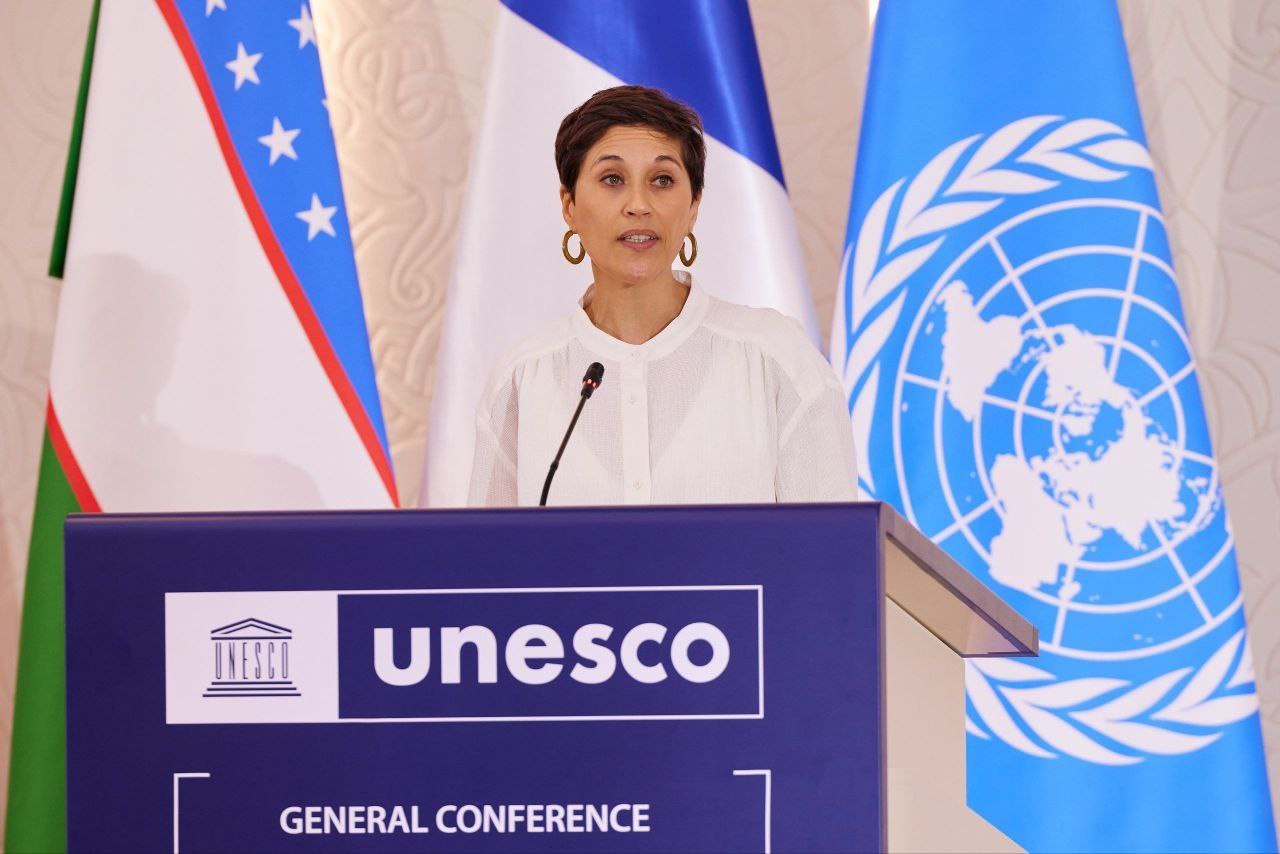
An international conference on cultural heritage, tourism, and artificial intelligence took place in Samarkand on 23–24 November. It was attended by scientists and specialists from 36 countries. The discussion was held within the framework of implementing the state strategy for AI development in Uzbekistan.
The state protects 8,437 objects of tangible cultural heritage. Digital twins, created using laser scanning, photogrammetry, and three-dimensional modeling, allow monitoring cracks and deformations, comparing the condition of monuments across different years, and preparing data for restoration. Computer vision can also analyze historical images, while handwriting recognition accelerates work with archives.
In August, Uzbekistan launched a project to create three-dimensional models of 50 Timurid-era artifacts stored in foreign museums. Scientific descriptions and annotations in the Uzbek language are being prepared for them. Separately, participants discussed virtual museums, digital maps, multilingual audio guides, and augmented reality.
At the same time, digital reconstructions must have a scientific basis and differ from authentic evidence. Participants emphasized that AI can assist in analyzing and preserving collections, but decisions on restoration and historical interpretation should be made by specialists.