Federal Reserve Prepares for Various Scenarios of AI's Impact on the U.S. Economy
The U.S. Federal Reserve has begun modeling the consequences of superintelligence development, including productivity growth, unemployment, and threats to critical infrastructure.
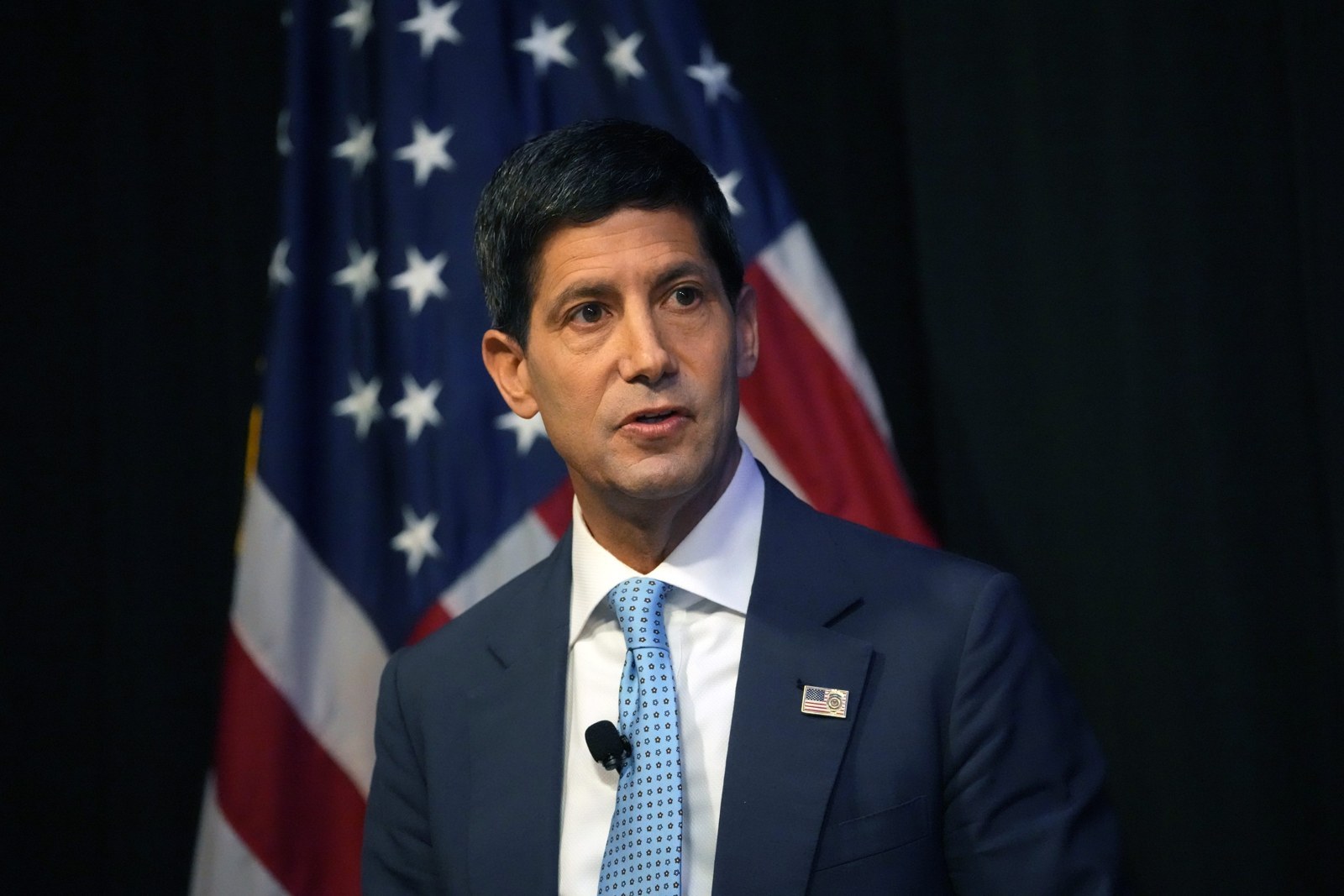
New Federal Reserve Chair Kevin Warsh stated that central bank staff are developing scenarios for the potential impact of artificial intelligence on the economy. This is not about forecasts but about modeling various possible developments to assess the risks and opportunities of the technology in advance.
According to Warsh, superintelligence could accelerate economic growth and boost productivity, benefiting both workers and capital owners. In such a scenario, U.S. GDP could sustainably grow faster than long-term average rates, while employment remains high.
However, AI development also poses threats. Widespread automation could lead to increased unemployment, and if the expected returns on AI investments fall short of projections, this could slow the economy. The Federal Reserve is also paying special attention to the security of critical infrastructure, as powerful AI systems could be exploited by malicious actors.
Warsh emphasized that the regulator aims to prepare in advance for the possible consequences of technological changes, without considering any scenario as guaranteed. In his words, AI development offers significant opportunities but requires careful assessment of potential risks.