Scientists detect possible signs of a new mechanism for black hole formation
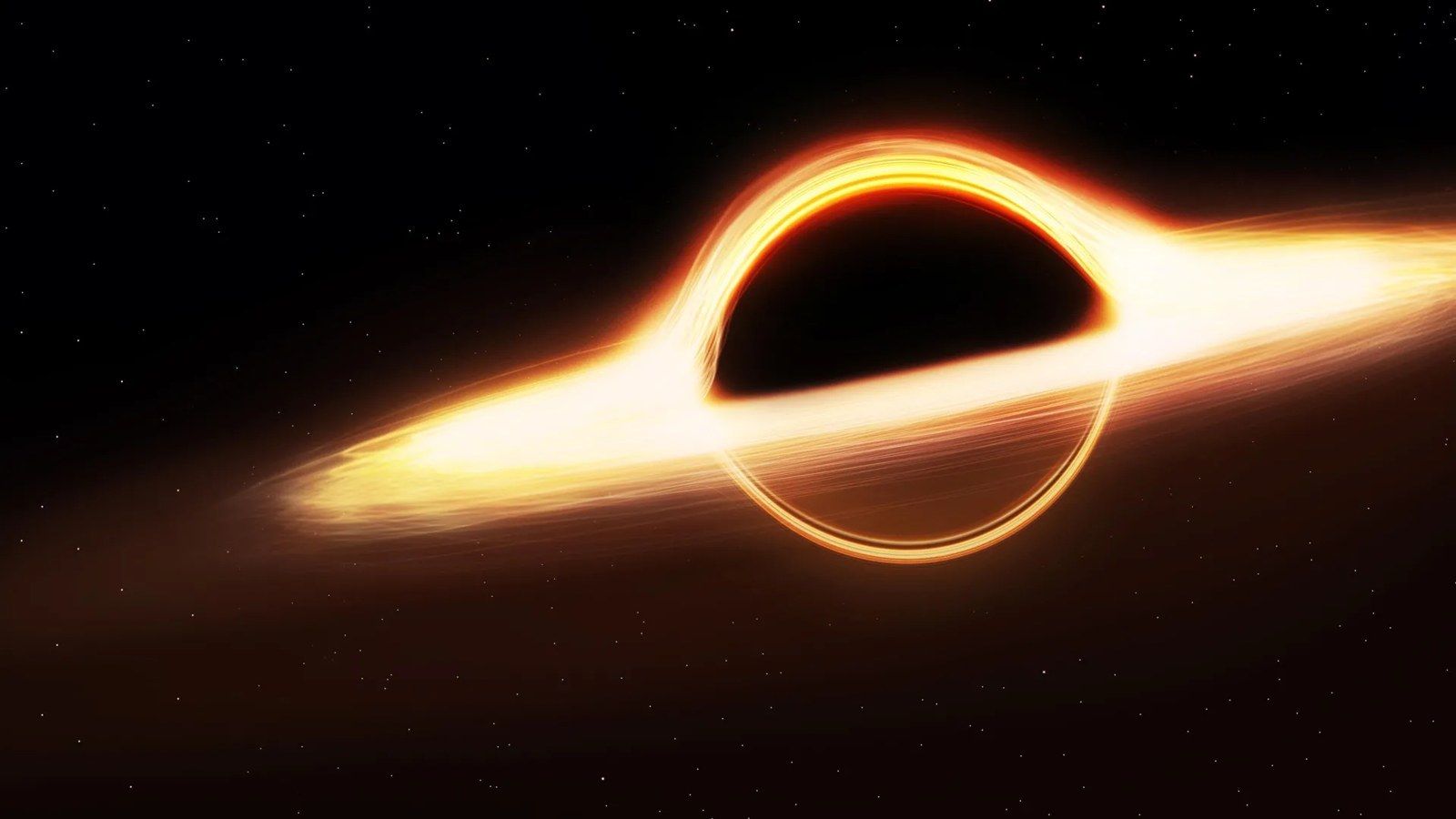
Analysis of data from the LIGO–Virgo–KAGRA network has revealed signs of a distinct group of black holes that may have formed through the quiet collapse of massive stars. Direct evidence is not yet available.
Scientists led by the California Institute of Technology analyzed the masses of black holes from 257 mergers recorded by the gravitational-wave network over the past decade. Approximately three-quarters of the objects had a mass of roughly 10 solar masses.
At the same time, researchers identified a shortage of black holes in the range of 12 to 16 solar masses. Objects around 10 solar masses also exhibited a narrower range of spin velocities than black holes in the overall sample.
According to Caltech physics professor Katerina Chatziioannou, this may indicate a common origin for such a group. One possible scenario is massive stars that did not explode as supernovae but instead collapsed directly into black holes. There are currently no confirmed examples of such collapses, so the authors emphasize the need for further research. The study was published in Physical Review D.