3-Million-Year-Old Child Makes Human Evolution Even More Complex
A study of the Taung Child dated its remains to 2.96–3.03 million years old and cast doubt on whether a number of similar fossils belong to a single species.
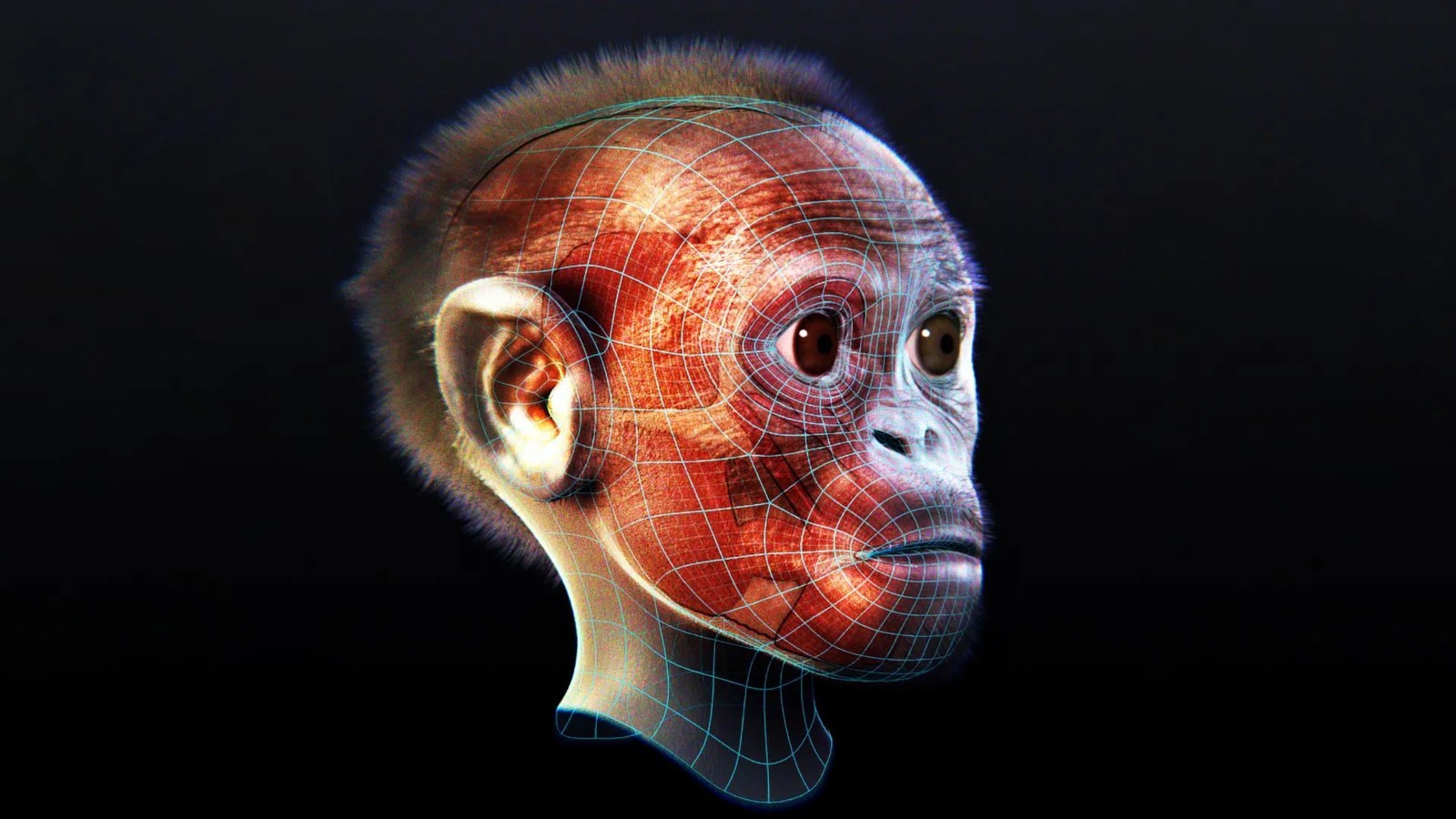
An international study led by Professor Gabriele Macho of Vrije Universiteit Brussel has shown that early human evolution in southern Africa may have been more complex than previously thought. Scientists compared the dental structure, as well as brain and dental development features, of the Taung Child and other ancient hominins.
The child's remains were discovered in South Africa in 1924. They became the type specimen for the species Australopithecus africanus, yet reliable criteria for assigning later finds to this species were never established. As a result, the Taung Child remains the only fossil that can be confidently identified as Australopithecus africanus.
Distinct developmental patterns were found in adult fossils traditionally attributed to this species. According to the researchers, some of the finds may have belonged to several hominin species that lived in the Sterkfontein area simultaneously or during different periods.
The authors link this diversity to alternating wet and dry climates. Due to environmental changes, hominin groups may have become isolated, evolved along different paths, and then re-established contact and interbred. Analysis of fossil pollen also showed that around 3 million years ago, the area where the Taung Child lived was significantly wetter and more forested than modern South Africa.