Trace of ancient virus in chimpanzee DNA explains differences in human brain development
Scientists from Lund University have discovered that an ancient viral insertion deactivates the LINC00662 gene in chimpanzees, which is active in humans and crucial for early brain development.
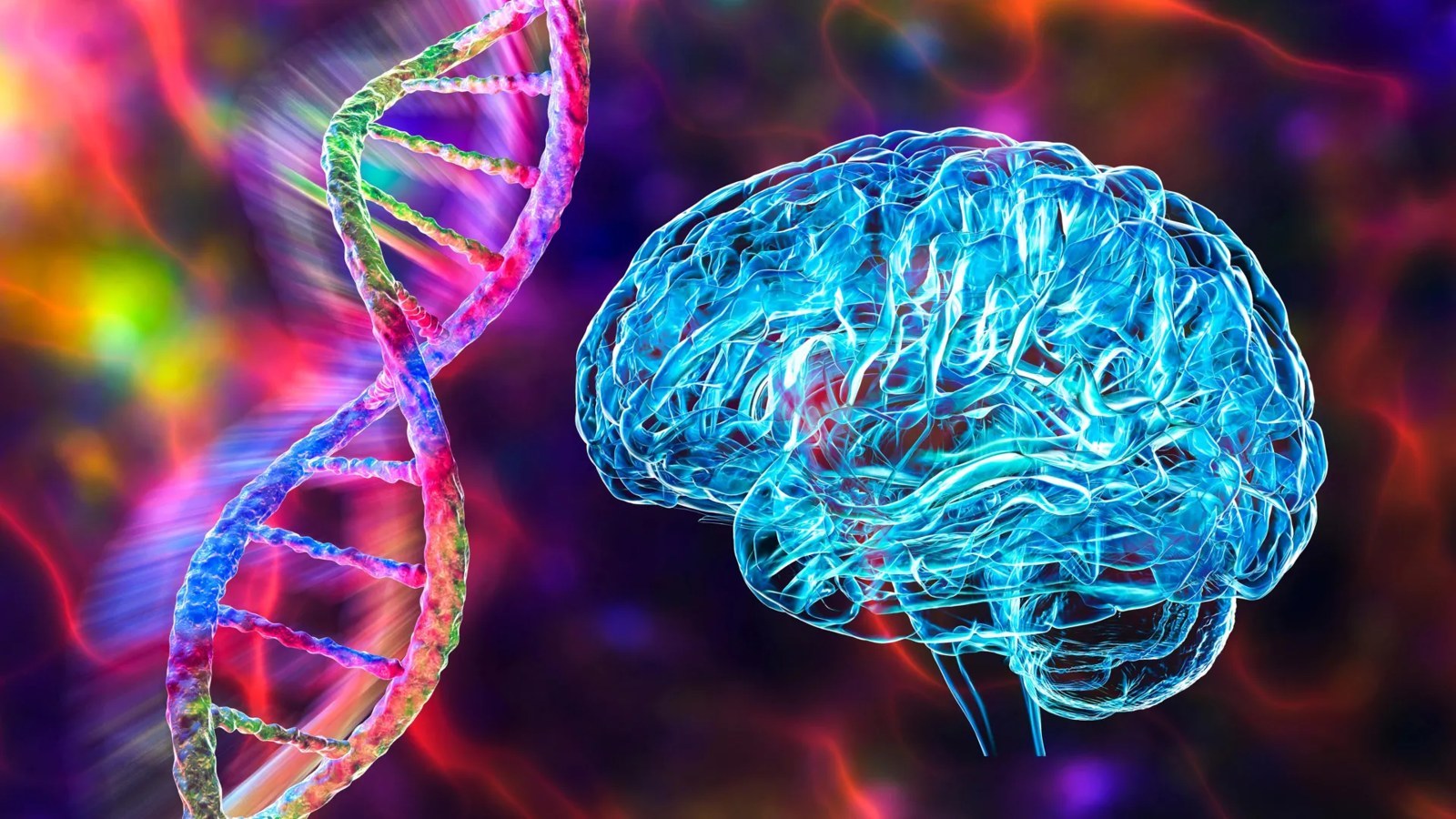
Researchers studied traces of PTERV1—a virus that infected chimpanzees millions of years ago. Its genetic material integrated into the animals' genome and was subsequently passed down to subsequent generations. Scientists believe that this insertion deactivates the neighboring gene LINC00662.
The gene is active during the early stages of human brain development but does not function in comparable chimpanzee brain models. Researchers attribute this to methylation—a chemical modification of DNA that regulates gene activity and can switch genes into an inactive state.
To verify their findings, researchers grew miniature brain models from stem cells of humans and chimpanzees. In human organoids, LINC00662 was actively functioning, whereas in models derived from chimpanzee cells, it remained inactive. After removing the viral sequence using CRISPR-Cas9, the gene in chimpanzee cells reactivated.
Subsequently, scientists deactivated LINC00662 in human organoids. This reduced the activity of genes associated with the development of nerve cells and the formation of connections between neurons. According to the authors, the results demonstrate how an ancient viral infection may have influenced gene regulation and contributed to differences between the developing brains of humans and chimpanzees.
Researchers plan to investigate whether other viral sequences similarly impacted brain evolution. They also intend to study the potential link between such inherited fragments and neurological diseases.