Scientists discover over 4,000 animals inside deep-sea rocks
Researchers have identified hidden ecosystems within polymetallic nodules in the Pacific Ocean that could be threatened by deep-sea mining.
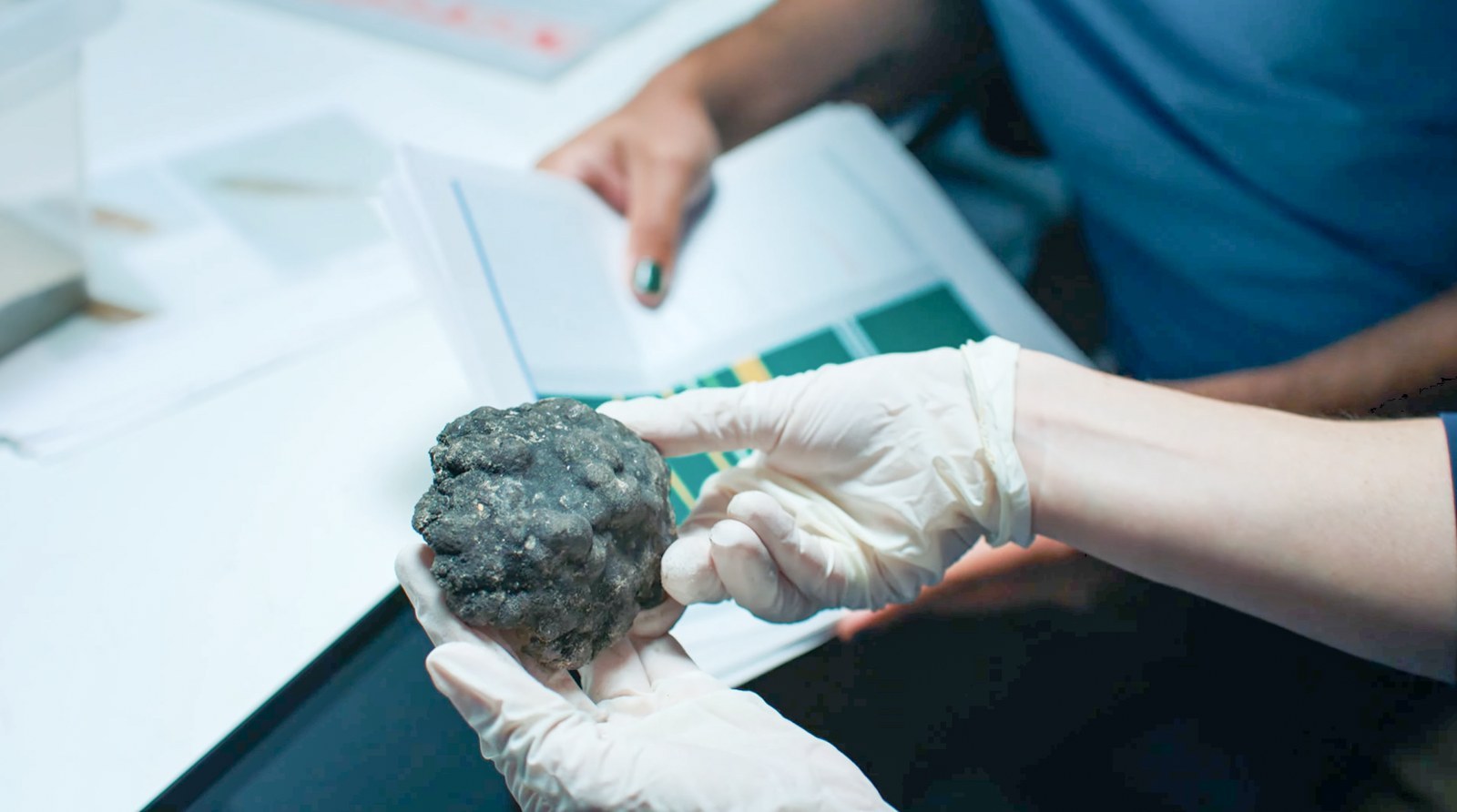
An international scientific team studied 244 polymetallic nodules from the Clarion-Clipperton Zone in the Pacific Ocean and found 4,139 animals inside them. On average, there were 17 organisms per rock, but in one sample, researchers discovered as many as 245 individuals. Most of the detected creatures measure less than one millimeter in size.
Analysis revealed that cracks and cavities within the nodules form a distinct habitat. The organisms inhabiting them form communities that differ significantly from those found in the surrounding seabed sediments. Some of these communities retain similarities even at distances of up to 1,000 kilometers.
Scientists warn that deep-sea mining of nickel, cobalt, and copper could destroy such habitats. Since polymetallic nodules take millions of years to form, the recovery of lost ecosystems in the foreseeable future is practically impossible.
The study's findings were published in the journal Scientific Reports.