Pros and cons of wearing a Fitbit on the ankle
A Fitbit on the ankle may count steps more accurately when hands are immobile, but heart rate accuracy and other functions are not guaranteed.
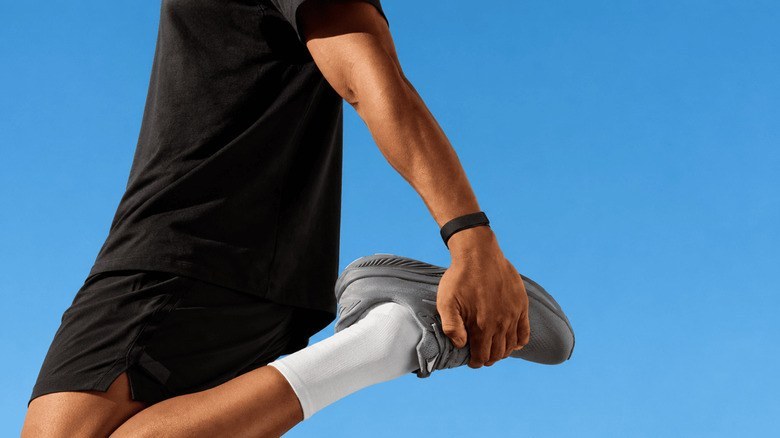
A wrist-worn tracker sometimes misses steps if a person is pushing a stroller or cart, typing on a keyboard, or holding onto handrails. On the ankle, the sensor directly records leg movement and frees up the wrist.
In a study involving 11 adults walking with a cane or walker, the average counting error for placement on the hip and ankle was 1.5%. However, the study focused on walking with support, not regular activity.
There are also limitations. During a 30-minute session on a stationary bike, the Fitbit Versa 4 on the ankle recorded 1,510 steps, while the wrist-worn device recorded 180, even though pedaling is not stepping. During an overnight test, the ankle-worn device also failed to record sleep. Google recommends wearing the Fitbit snugly on the wrist for heart rate measurement, and comparable accuracy on the ankle has not been confirmed.
A standard strap may be too short, and a separate one would need to be purchased. A loose tracker can chafe the skin, and checking notifications on the leg is inconvenient. The Fitbit Inspire 3 has a clothing clip, but it disables heart rate measurement, Active Zone Minutes, and automatic workout detection.