Zinc-iodine battery retained 94% capacity after 2,000 cycles
Researchers at UCL have developed an aqueous zinc-iodine battery that retained nearly its original capacity after thousands of cycles. The technology has so far only been tested in the laboratory.
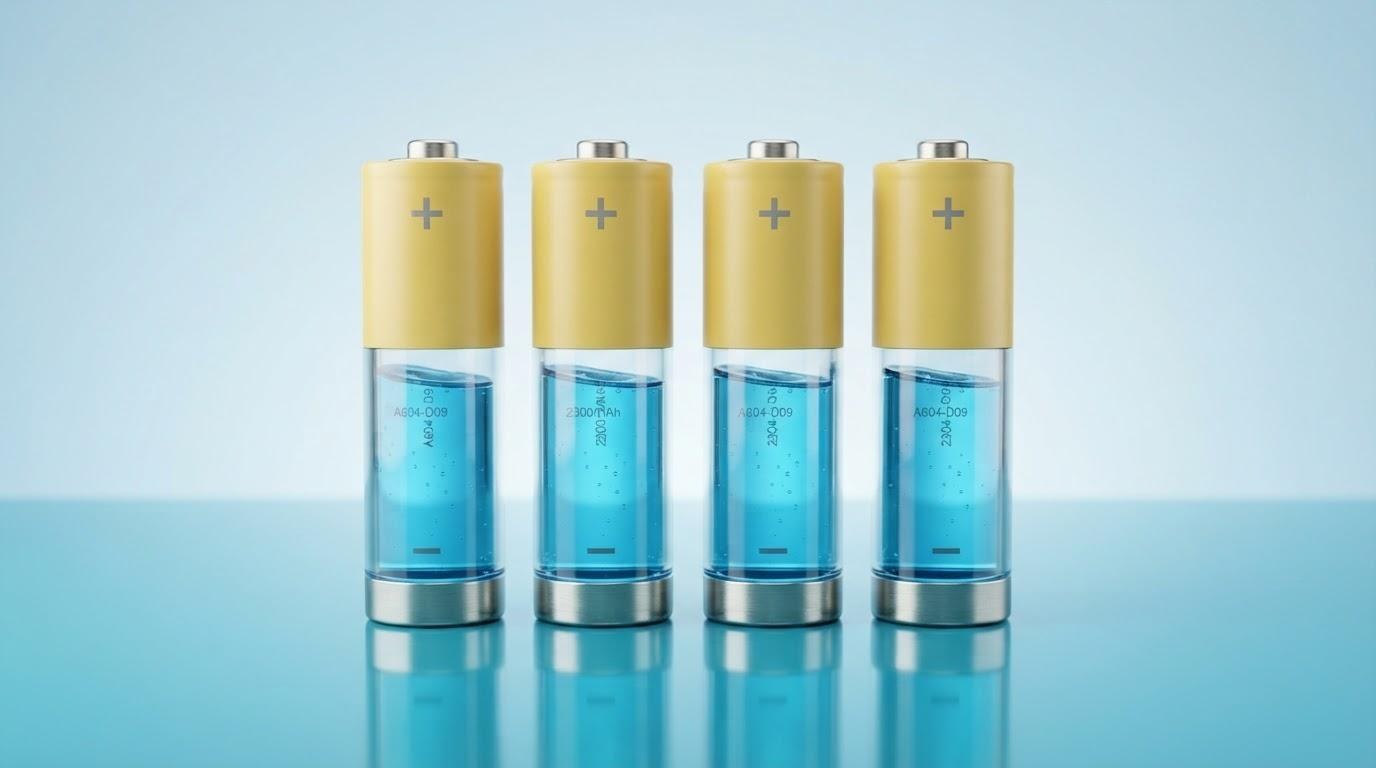
A key element of the development was a new electrolyte. It helps utilize iodine more efficiently: while conventional iodine chemistry involves two electrons in reactions, this approach managed to engage four. This increases the amount of energy that can be obtained from the same quantity of active material.
During battery operation, reactive iodine species are formed. These can undergo undesirable reactions with water and damage the system. Previously, concentrated electrolytes with halogens were used to stabilize iodine, but such solutions were expensive and too aggressive for practical use.
In the UCL composition, some molecules limit water contact with iodine, while others bind its reactive forms. This allowed researchers to enhance the efficiency of the chemistry without the previously used concentrated and corrosive solutions.
The technology's performance was tested on flat pouch cells and small coin-shaped batteries. In certain tests, zinc-iodine cells retained nearly all their initial capacity after several thousand charge and discharge cycles.
The development is being considered as a potential alternative to lithium-ion batteries in energy storage systems. Such installations could store excess energy from solar and wind power plants and return it to the grid when generation decreases. The electrolyte composition could also potentially be adapted for aluminum-iodine batteries.
Commercial application is still far off: the results were obtained in a laboratory setting. Researchers will need to test the technology in larger systems and under loads similar to the operating conditions of energy facilities.