
NASA Concludes 27-Year Terra Mission: Satellite Observed Earth for 27 Years Instead of Planned 6
NASA is concluding the operation of the Terra satellite, which has spent 27 years in orbit instead of the planned six. All systems of the spacecraft will be shut down in January 2027.
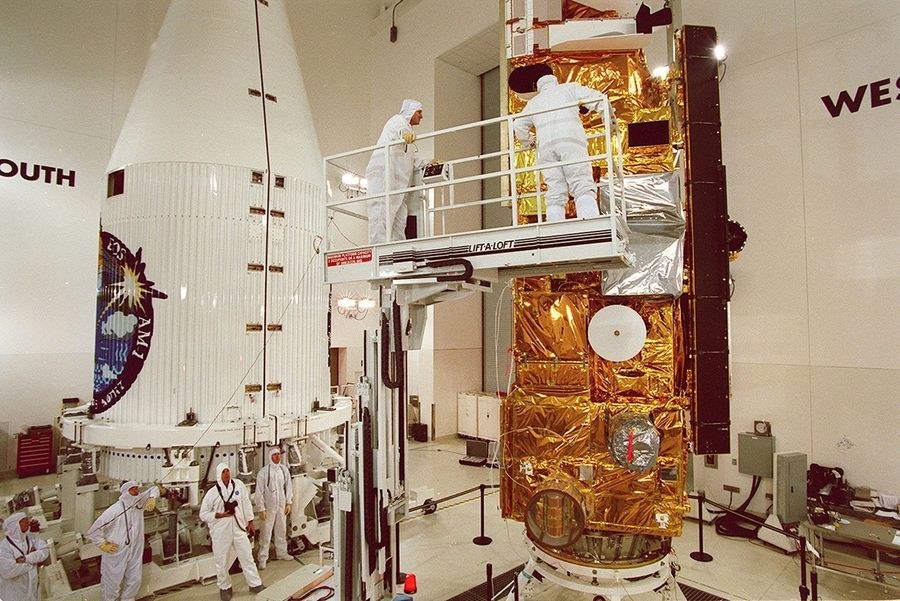
Terra was launched in December 1999 for a six-year mission. The spacecraft operated more than four times longer than its designed lifespan. The conclusion of its operation is due to the aging of onboard systems and the gradual deviation of its orbit.
The satellite collected data on changes in land use, forest fires, the transport of dust and smoke, atmospheric composition, and ice cover. This information was used to assess the risks of natural fires, ensure public safety, plan agriculture, and manage water resources.
The satellite is equipped with five scientific instruments. ASTER captures images of the Earth's surface, CERES measures the planet's energy balance, MISR observes the atmosphere and surface from multiple positions, MOPITT measures tropospheric pollution, and MODIS creates wide-band images of the Earth. MOPITT and certain components of CERES and ASTER have already been turned off to conserve energy.
After scientific observations cease, the NASA team will use the remaining fuel to lower Terra's orbit. In January 2027, the spacecraft will be completely shut down, and the archive of data collected over 27 years will remain free and publicly accessible.