Zeno Power Tests Generator for Future Radioisotope Battery
Zeno Power conducted two-week sea trials of a generator that produced over 20 W. The prototype is not yet atomic: in the future version, the heater will be replaced with strontium-90.
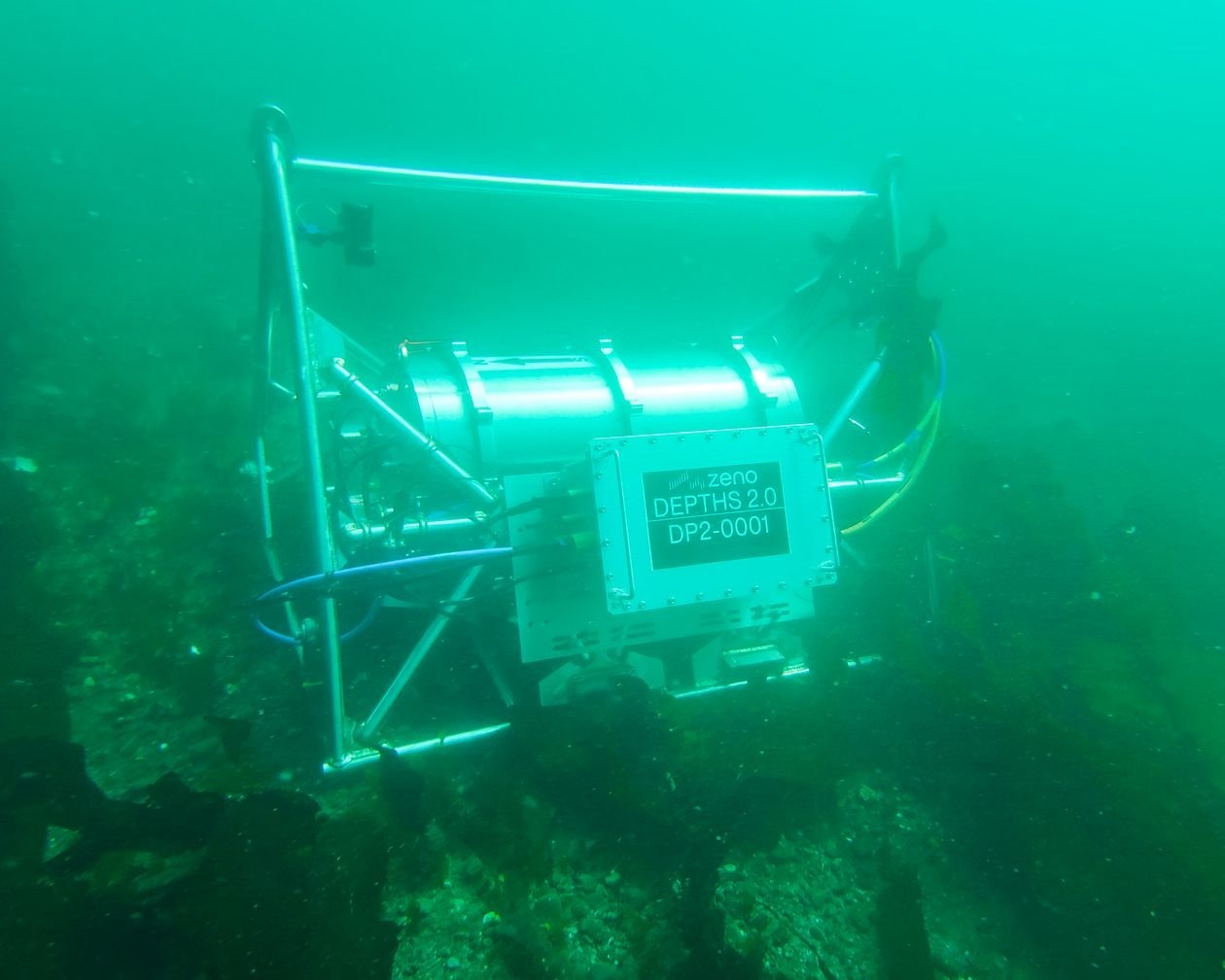
The trials took place off the coast of Washington State. Heat in the test setup was generated by an electric heater, so it was not a radioisotope power source.
In the future configuration, heat from the decay of strontium-90 will drive a Stirling engine. Gas in its closed cylinder alternately heats and cools, moving the piston, and the mechanical work is converted into electricity. Zeno Power asserts that such batteries will be at least four times more efficient than traditional radioisotope thermoelectric generators.
The company envisions the system as a slow charging station on the seafloor. It will be able to power underwater sensor networks and autonomous devices that require low power and long-term operation without maintenance.
The next stage is scheduled for 2027: Zeno Power plans to install a radioisotope heat source and test the generator in a water reservoir. If successful, later that same year, the company expects to deploy a system with a radioactive power source on the seafloor. The development is supported by the U.S. Department of Defense.