Most powerful magnetic storm in 20 years altered Earth's radiation belts—now four instead of two
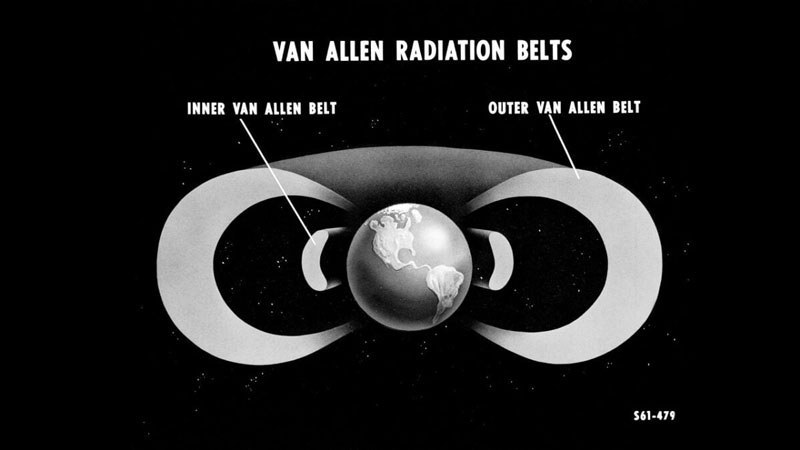
After the geomagnetic storm on May 11, 2024, scientists recorded four electron radiation belts around Earth for the first time. By August, the system had returned to two.
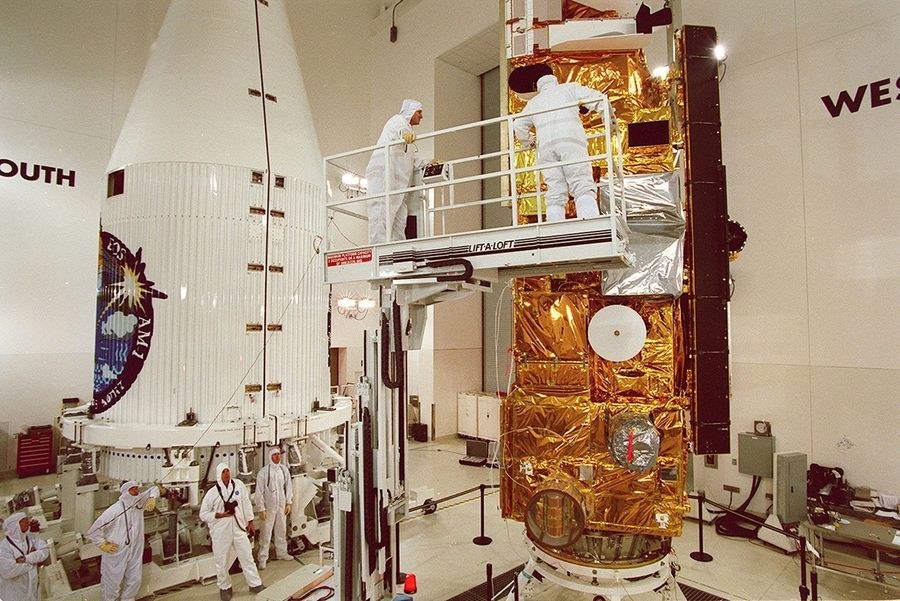
The study was published in the journal npj Space Exploration. Observations were conducted by the European Space Agency's PROBA-V satellite using the Energetic Particle Telescope (EPT). The spacecraft is in a sun-synchronous polar orbit at an altitude of 820 km.
The storm, dubbed the "Mother's Day Event," became the most powerful in 20 years. In the following days and weeks, additional regions with reduced electron concentrations formed between the usual inner and outer belts—resulting first in three, and then four distinct electron belts. Scientists attribute this not merely to an influx of particles but to their redistribution under the influence of electromagnetic interactions.
By August 2024, the electrons had gradually shifted along Earth's magnetic field lines, and the usual two-belt structure returned. The additional belts pose risks to satellite electronics and solar panels, as well as increasing hazards for astronauts: high-energy particles can damage equipment and living cells. The study's authors plan to investigate in greater detail how such belts form and dissipate.