Free will may be an illusion — new brain study reveals an unexpected twist
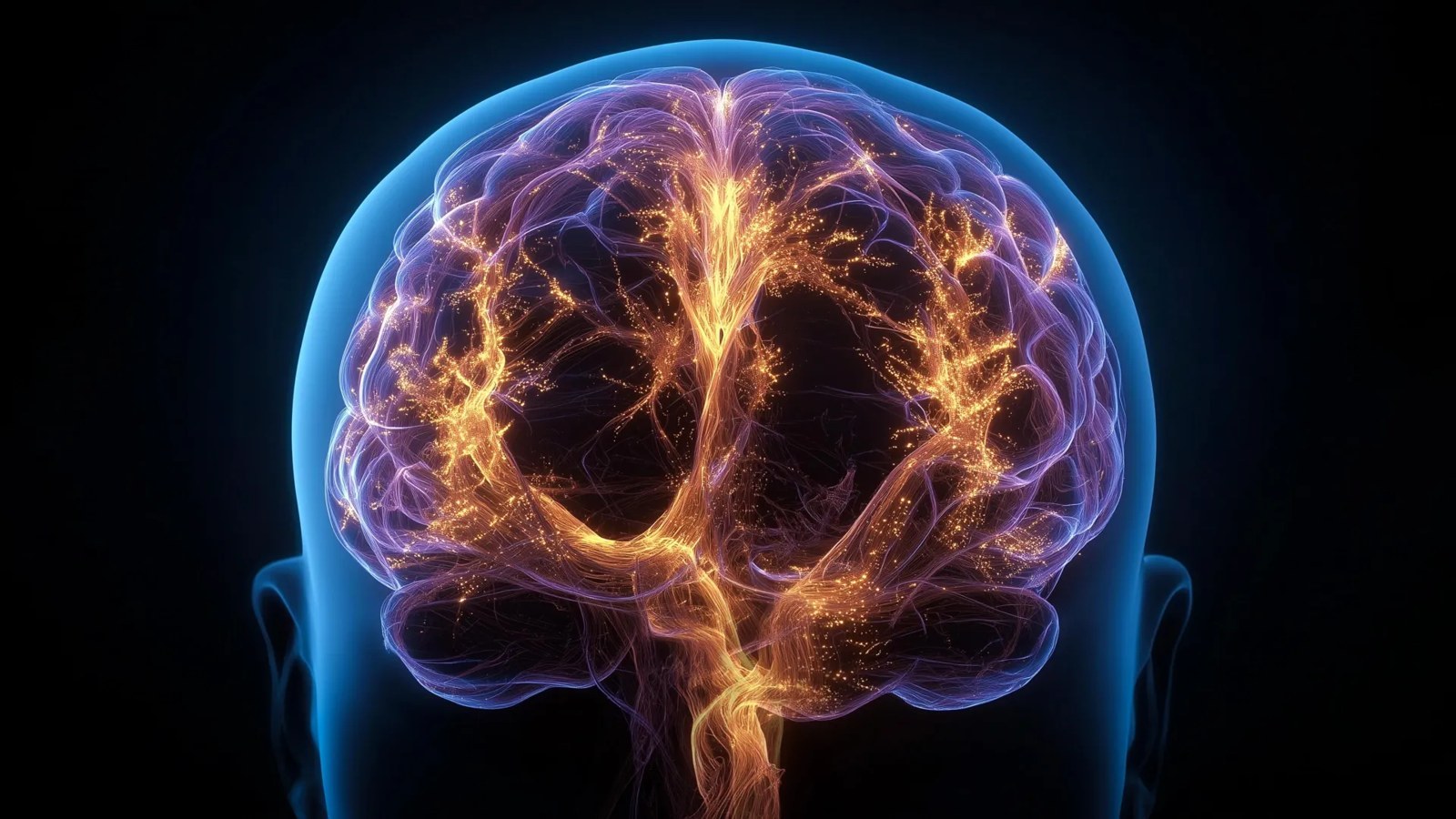
A new study has shown that the brain makes free and forced decisions through a similar process: activity builds up before the choice, while its content is shaped by personal preferences and experience.
Scientists examined the brain activity of people who chose between two balloons of different colors or were forced to take the only available option. Participants pressed a button immediately after deciding, allowing researchers to track signal changes before the choice.
In both cases, activity gradually rose to the same peak level. With quick decisions, the signal built up faster, while with longer choices, it rose more slowly. This aligns with a model in which the brain accumulates evidence in favor of options rather than simply reacting at the last moment.
The result may create the impression that free decisions form automatically. Researchers link this to the work of Benjamin Libet: in the 1980s, his studies showed that brain activity begins before a person becomes aware of their intention to act. However, the content of the accumulated information depends on a person’s preferences, goals, and experience. Thus, the same mechanism can lead two people to the same choice for different reasons. The study was published in the journal Imaging Neuroscience.