iPhone Duo: Inconvenient, but I Don’t Want to Go Back
A TechCrunch journalist took the new iPhone Duo and iPhone 17 Pro Max on a five-day vacation but ended up using the foldable model more often.
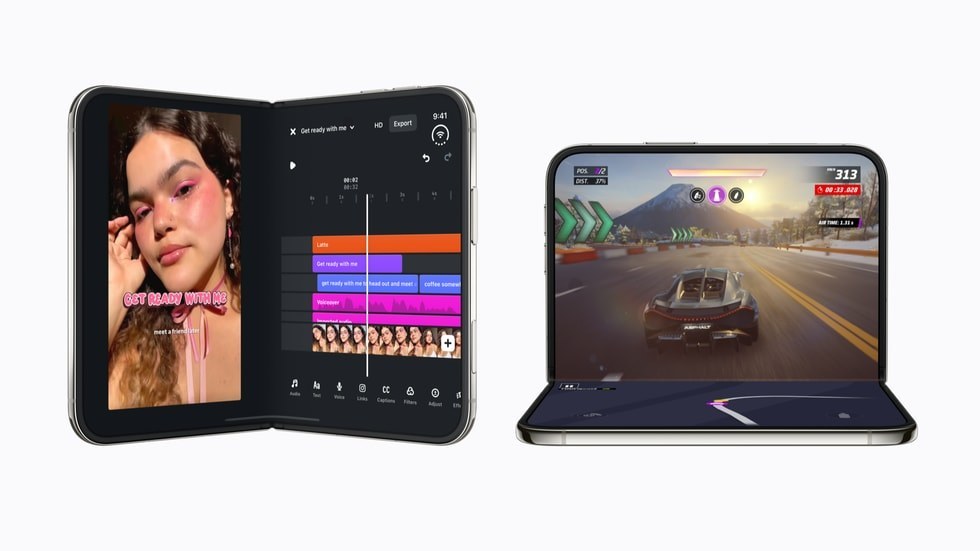
TechCrunch journalist Sarah Perez took the iPhone Duo and her iPhone 17 Pro Max on a five-day vacation. The regular smartphone was meant to serve as a backup: switching to the foldable model raised concerns over its cameras, unfamiliar shape, and app compatibility. Several times during the trip, Perez considered returning to the Pro Max but changed her mind by the end of the vacation.
In her experience, the main compromise of the Duo was not the foldable screen but the lack of Face ID. Reverting to Touch ID proved especially inconvenient when paying for purchases—when her hands were occupied with bags or a dog leash, correctly placing her finger on the sensor was harder than simply looking at the display. Gradually, the journalist grew accustomed to it but still considers this drawback a significant reason to delay purchasing the device.
Apps also caused inconveniences. On the small external screen, she had to scroll through conversations more frequently, and some controls were hidden in additional menus. Unadapted programs displayed black bars, reducing the usable screen area.
The Google app was the most frustrating: during the trip, it froze several times. Perez attributed the issue to AI Mode and worked around it by force-closing the app. Meanwhile, Google Maps, despite the lack of interface adaptation, handled routes and location searches normally.
The cameras were another compromise. The journalist missed the Pro Max’s capabilities when photographing distant objects and in challenging lighting conditions. On some Duo photos, small details appeared overly processed, and landscapes looked smoothed out. For everyday shots and social media posts, she found the results sufficient but advises professional content creators to consider the model’s limitations.
The advantages became apparent when watching movies and using two apps simultaneously. The large internal display allowed her, for example, to read news while keeping track of discussions about it. Perez also appreciated the matte screen surface, the barely noticeable crease, and the familiar Apple ecosystem.
An unexpected effect was that the journalist opened the smartphone less often than she had anticipated. The large screen became a tool for specific tasks—watching a series or working with multiple apps. When folded, the device was less likely to tempt her into endless social media scrolling.
During the trip, the smartphone accidentally fell several times but suffered no noticeable damage. However, the author emphasizes that this was everyday experience, not a full durability test.
In the end, Perez liked the Duo not for its perfection but for the sense of novelty and a different approach to using a phone. In her words, it was exciting to pick up—and easier to put down.