Investigation into Vulcan launch anomaly remains complex
ULA is investigating the failure of the Vulcan mission carrying Amazon's Leo spacecraft. Preliminary findings suggest the rocket lost thrust shortly after liftoff and separated its stages too low and too slowly.
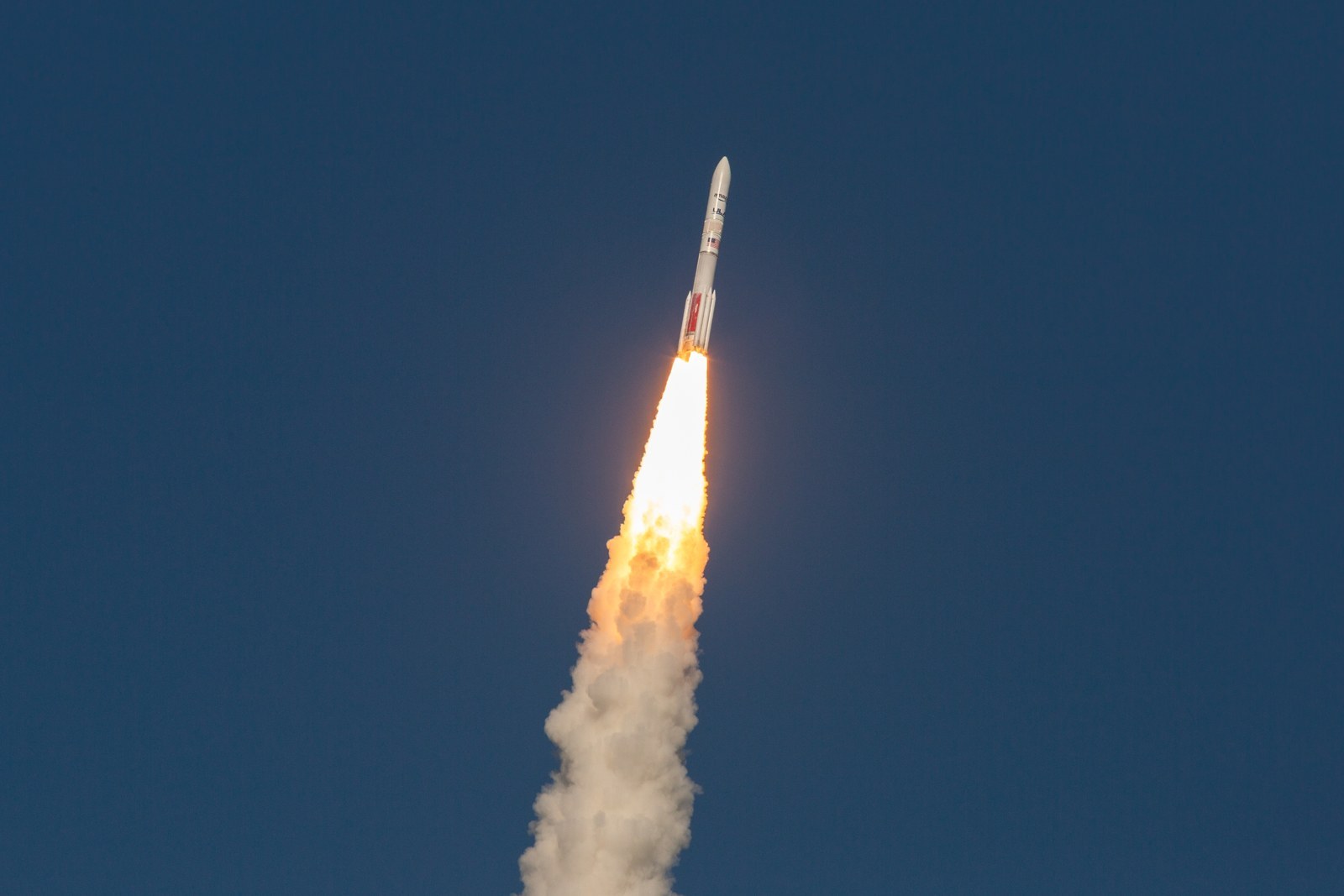
The company reported losing telemetry and the mission approximately 10 minutes into the flight. The Centaur V second stage, equipped with RL10 engines, reportedly operated normally, as did the solid rocket boosters, according to ULA's preliminary assessment. However, it was unable to compensate for the rocket's performance loss and place the spacecraft into orbit.
The investigation is led by ULA, with the U.S. Federal Aviation Administration (FAA) overseeing each stage and required to approve the final report with corrective measures. The company emphasized that the work is in its early stages, and the specific cause has not yet been determined.
According to two sources, the issue may have preliminarily originated in the methane and liquid oxygen feed systems to the engines, rather than in the BE-4 engines themselves. Engineers are also examining the possibility of one engine experiencing reduced thrust after liftoff. No final conclusions have been drawn yet.