Car is there, access is not: Li Auto owners report account theft and extortion
In Russia, Li Auto owners are complaining about the hijacking of their primary accounts, after which some car functions become unavailable. The attackers demand money to restore access.
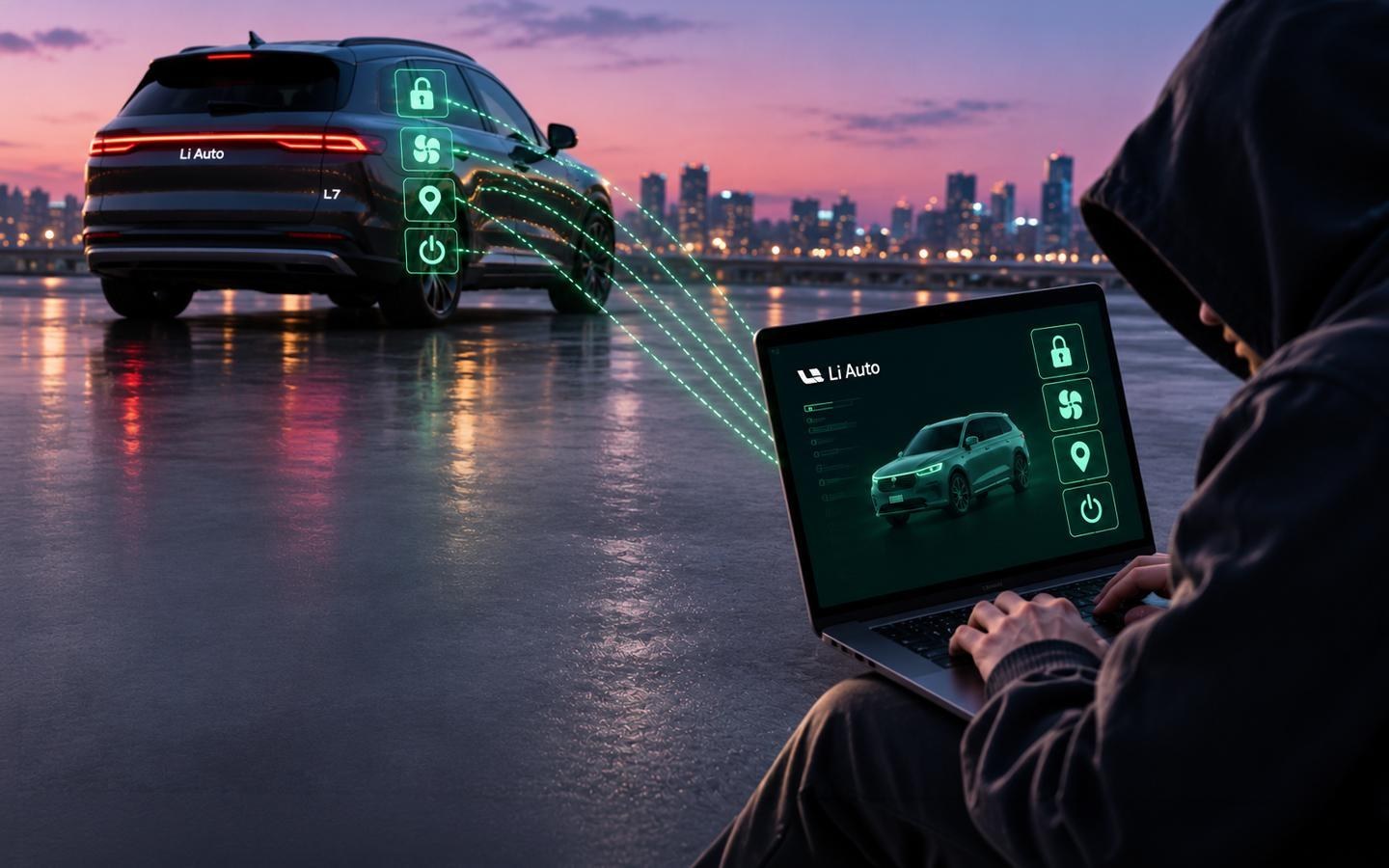
Russian owners of Li Auto vehicles have encountered the theft of master accounts—the primary digital profiles through which car functions are accessed. This was reported by Autonews, citing the distributor Sinomach Auto and representatives of the brand’s owners' club.
According to Alexander Rasskazov, co-founder of the Lixiang club in Russia and the CIS countries, at least 20 victims are known. After seizing the accounts, fraudsters contact the owners and demand a ransom to restore access.
Reports mention the inability to start the car, disabling of screens, climate control, and other functions. However, the published information does not confirm that identical malfunctions occur in all cases.
The master account is linked to the Li Auto app and provides access to controlling locks, the climate system, and other vehicle features. Therefore, losing such an account may affect not only the smartphone app.
Owners described similar cases in the summer of 2025. At that time, the issue was attributed to the expiration of Chinese phone numbers registered through the Esender service. According to Rasskazov, users with paid numbers are now also losing their accounts.
The exact mechanism of the current attacks has not been established. Among the possible causes mentioned by the publication’s source are password guessing, data leaks, and the transfer of accounts to third-party specialists who install apps, localize, or reflash the vehicles. The theory about the use of leaked insurance databases also remains speculative.
According to Rasskazov, attackers are currently demanding around 35,000–45,000 rubles to restore access. A year earlier, the amounts reached 200,000–250,000 rubles.
Sinomach Auto stated that they are working with Li Auto to enhance account security and establish a procedure for restoring access for legitimate owners. One option is transferring the binding from a Chinese phone number to an email address. According to the distributor, this solution is already being applied to 2026 model year vehicles, and it is planned to extend it to parallel-imported cars in the future.
Rasskazov advised victims not to pay the ransom and to contact the police. He also recommended that owners check their account binding, change their Esender password, and avoid sharing SMS codes with others.