Autonomous Testing of Scientific Instruments on Luna-26 Orbiter Completed
Nine scientific instruments of the Russian Luna-26 orbiter have undergone a full cycle of autonomous testing, Roscosmos reported.
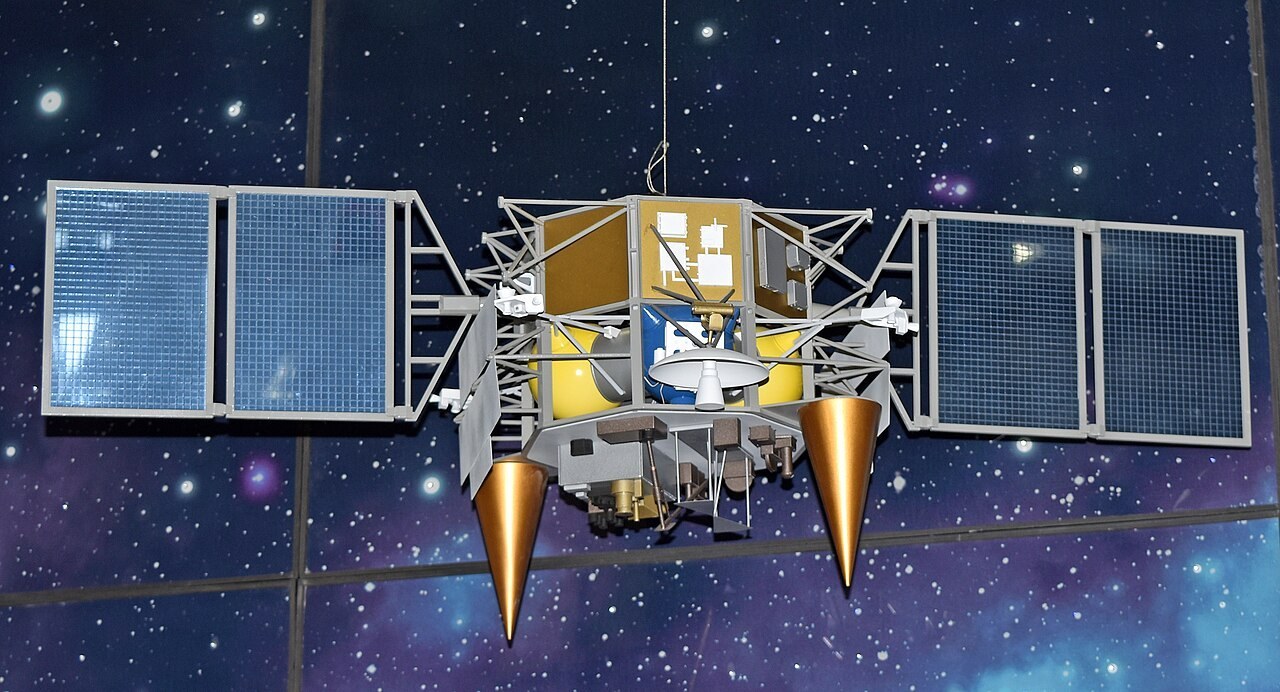
Konstantin Anufreichik, chief designer of the scientific instrumentation complex for the project, stated that the testing has been fully completed. According to him, the instruments are intended to help obtain new scientific data.
Luna-26 is designed to operate in lunar orbit for three years. The spacecraft will search for water, study the Moon's interior, and explore the surrounding space. A stereotopographic camera is to create a three-dimensional map of the Earth's satellite surface. In the first year, the spacecraft is planned to be placed into an orbit with an average altitude of about 70 kilometers to conduct imaging of the entire Moon, including the polar regions.
The launch of the station to the Moon is scheduled for 2028.