
Why hydrogen flames can turn orange and then nearly disappear
Researchers from the University of Adelaide have found that the visibility of a hydrogen flame depends on sodium in the air. This will help create more reliable control systems for household appliances.
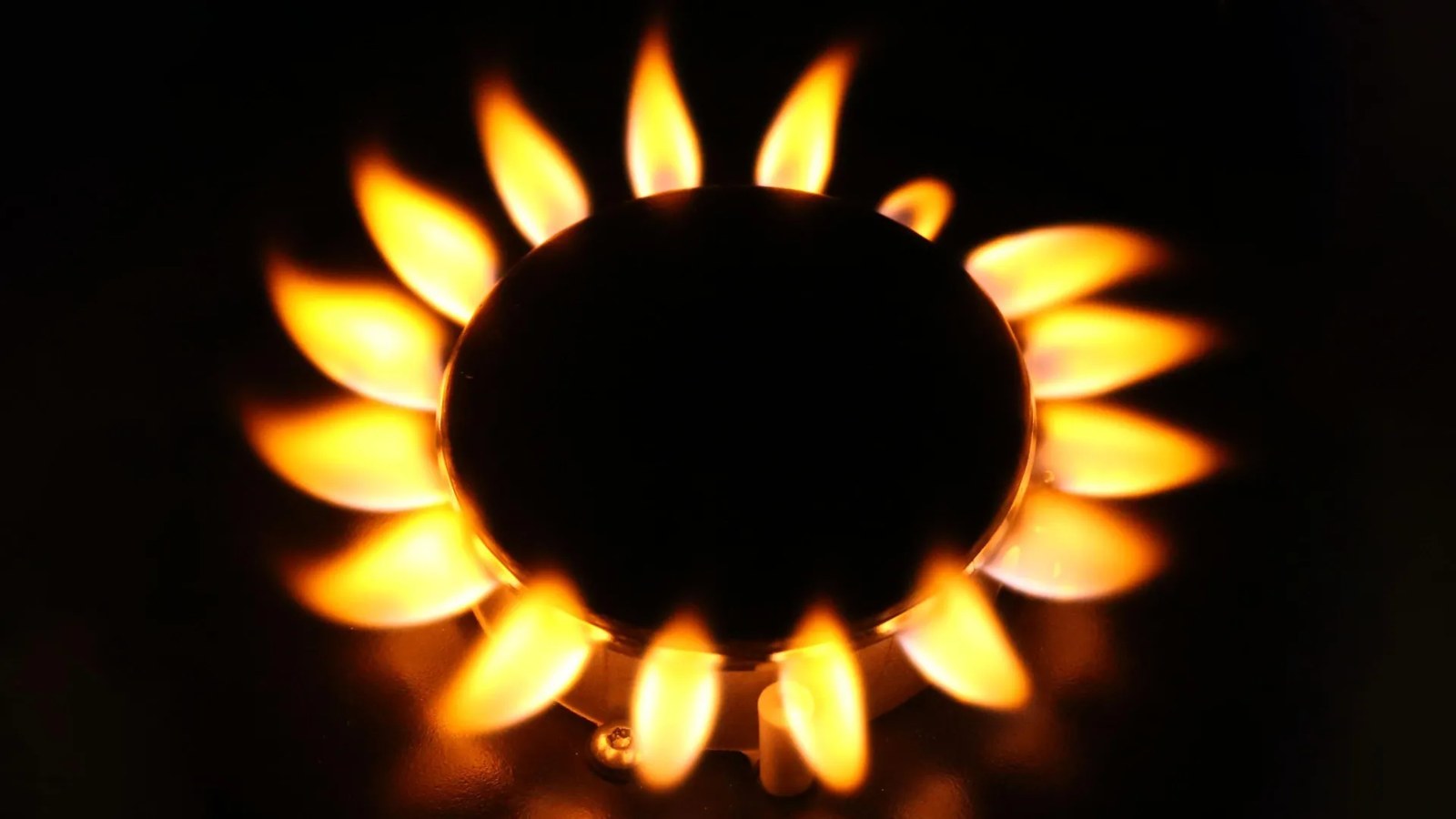
Scientists have demonstrated why a hydrogen burner, with identical settings, can glow bright orange or become nearly invisible. The reason is sodium particles in the air, including sea salt carried inland by the wind.
The team conducted laboratory experiments and outdoor tests in the Adelaide area. Over two weeks, researchers measured flame emissions without altering the burner’s parameters. The sodium-related signal varied by more than 28 times between its minimum and maximum values. Air that had passed over the sea typically made the flame brighter and more orange, while lower sodium content made it significantly dimmer.
On average, hydrogen flames emitted less visible light than flames from a conventional gas stove, even under favorable conditions. Faint blue and red hues are more distinguishable in the dark, making them unreliable for monitoring burners under normal lighting.
Professor Paul Medwell from the University of Adelaide noted that household appliances should not rely solely on flame color. Among potential solutions, researchers suggest ultraviolet and infrared sensors, as well as temperature detectors. The study was published in *Next Energy*; it also involved specialists from the University of New South Wales and Gas Infrastructure Research Australia.